How to Capture the Spirit of Australia Through Travel Photography
Exploring Iconic Landscapes
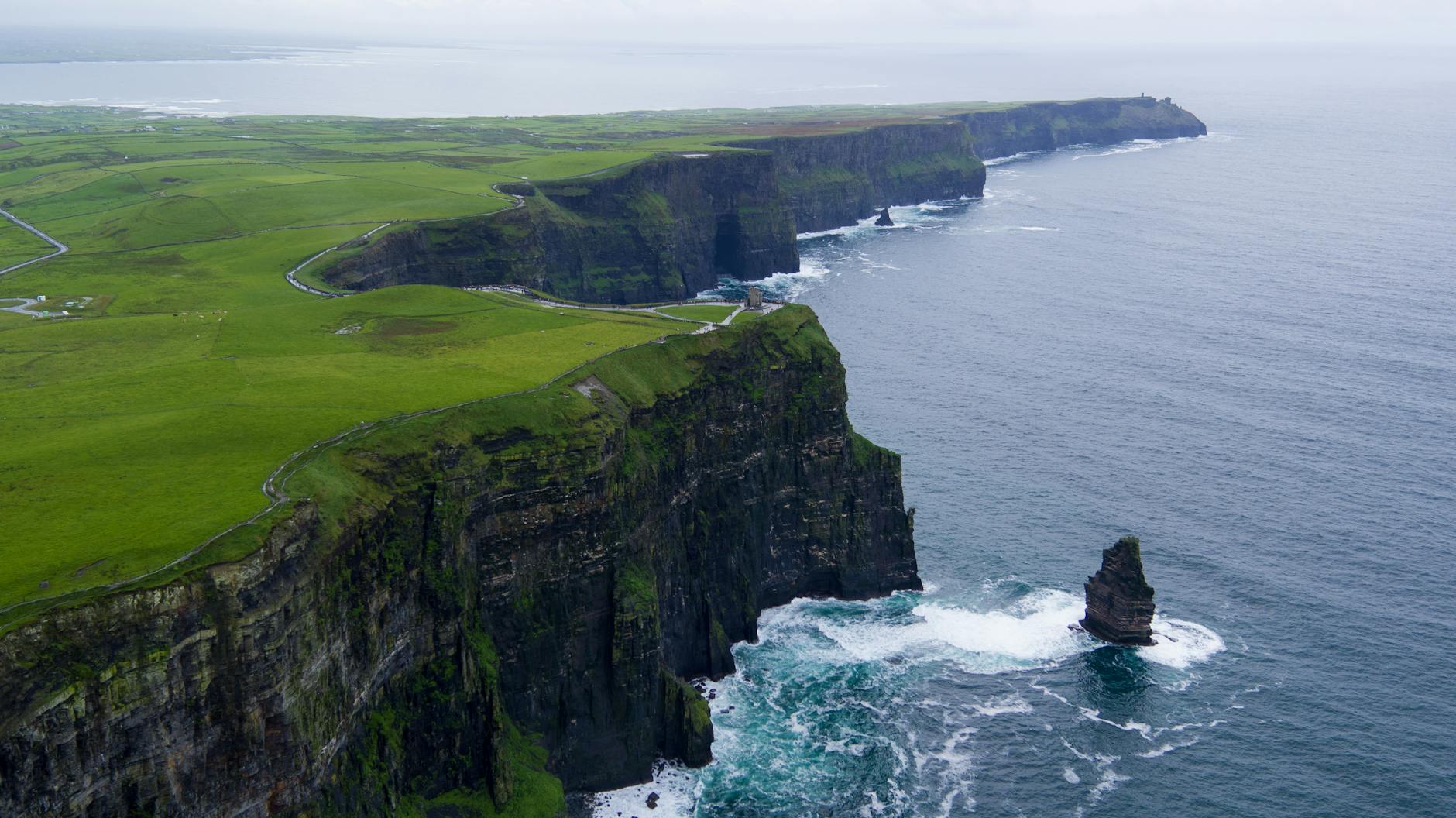
Capturing the allure of iconic landscapes in South America is like uncovering a hidden treasure through your lens. As an award-winning freelance travel photographer from Melbourne, I know the vibrant beauty of places like Hosier Lane brings out the uniqueness of a location. If you're setting sights on South America travel, consider Patagonia's windswept vistas. To make your photographs pop, focus on your composition by incorporating the region's rugged terrain. Using leading lines or natural frames can guide the viewer through the majestic scenery.
When venturing into Patagonia tours, aim to showcase the dynamic landscapes by playing with different perspectives. Rugged mountains juxtaposed against wide, open plains can provide dramatic contrasts. For those breathtaking wide shots, try shooting during golden hour to capture the interplay of light and shadow, adding depth to your images. Also, don't shy away from venturing off the beaten path—sometimes the most compelling compositions are found in unexpected places.
While engaging in South America tours, it's crucial to reflect the authentic spirit of each location. Engage with the locals to gain insight into hidden spots that might not be in guidebooks. These interactions can unearth real stories and elevate the essence of your shots. Keep your kit agile, with a set of versatile lenses to adapt to unpredictable environments and dynamic lighting conditions. Remember, the lanes and street art of Melbourne can inspire how you interpret rich cultural layers and textures in South American landscapes.
Engaging with Local Cultures
Portrait Techniques
As someone who spends a lot of time behind the lens, I appreciate the challenge of capturing portraits that authentically represent local cultures. When photographing in bustling places like the Queen Victoria Market, one must navigate the intricate dance of light and shadow while connecting with the subject's soul. It’s crucial to engage with people personally and earn their trust before lifting the camera. A genuine smile and a few words in their language can make a world of difference.
For those embarking on Galapagos tours, remember to highlight the vibrant expressions and unique attires of the locals and visitors alike. Use natural lighting to accentuate their features, particularly during the soft, diffused light of early morning or late afternoon, which bathes your subjects in a flattering glow.
Documenting Indigenous Heritage
The depth and diversity of Indigenous heritage offer endless opportunities for storytelling. When photographing Indigenous communities, it's important to approach with respect and sensitivity. Have conversations to understand the stories and significations behind their practices. By photographing in a manner that respects their traditions and captures the essence of their culture, such as during Antarctic tours, you contribute to preserving these narratives.
Capturing Festivals and Events
Festivals are a riot of colors, emotions, and stories waiting to be told through your lens. Amid the vibrant chaos, keeping an eye out for candid moments and spontaneous interactions can result in captivating images. Use a fast-shutter speed to freeze dynamic actions and a wider aperture to isolate subjects amidst the intricacy of the scene. Whether you're documenting Machu Picchu tours or a local festival, the key is patience and anticipation.
Mastering Light and Composition
Golden Hour Strategies
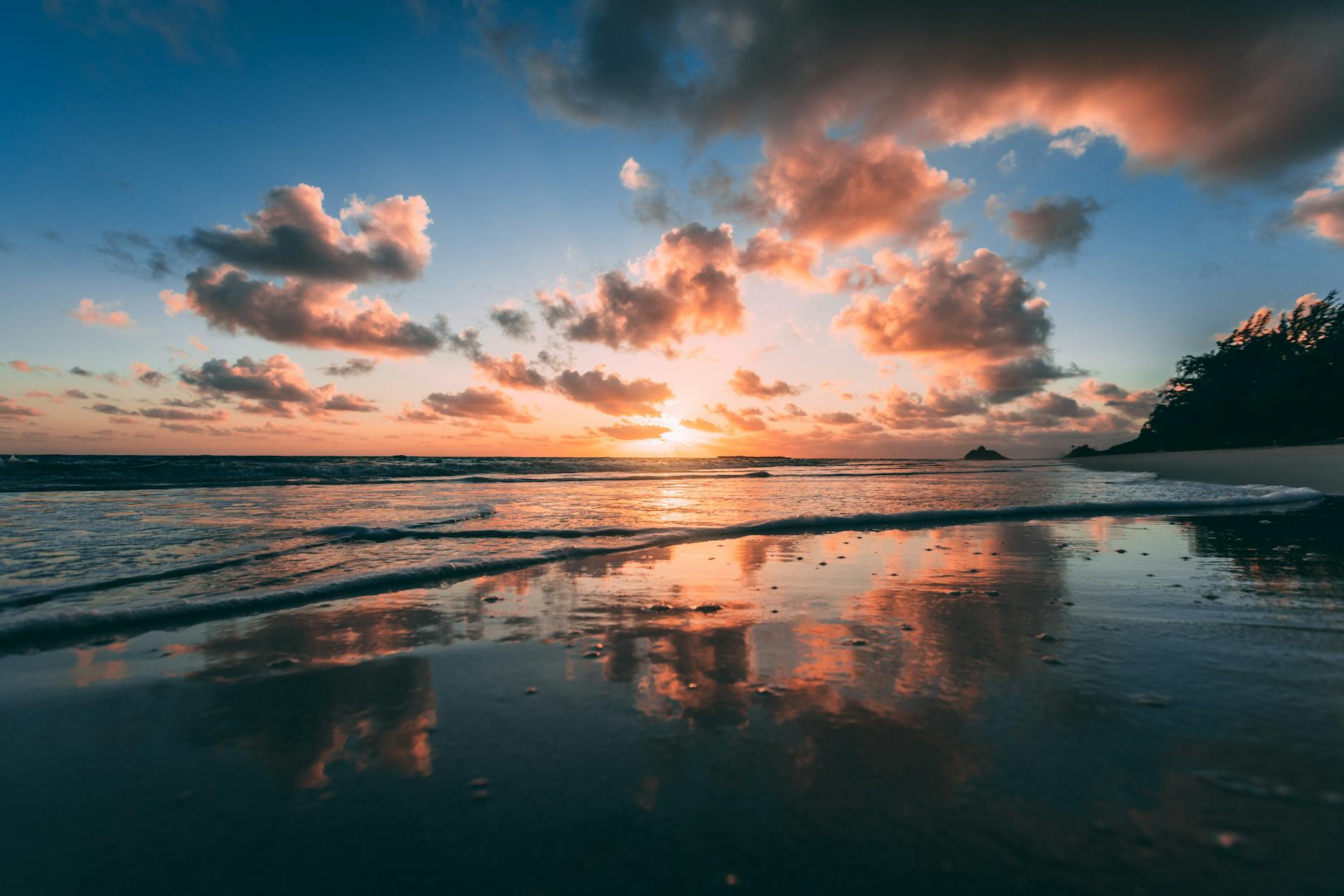
Ah, the golden hour, that magical time just after sunrise or before sunset, when the light turns everything into a warm palette of golds and reds. This is a favourite time for many photographers to capture cuba travel pictures as well as other exotic and adventurous locations. It's an opportunity to play with warm hues that create breathtaking images. When I'm out photographing in places like the lanes and street art of Hosier Lane, I've learned to plan my sessions to coincide with these hours. Position yourself so that the light falls behind your subject for a dramatic silhouette or to the side for an interesting play of shadows and highlights.
Framing Techniques
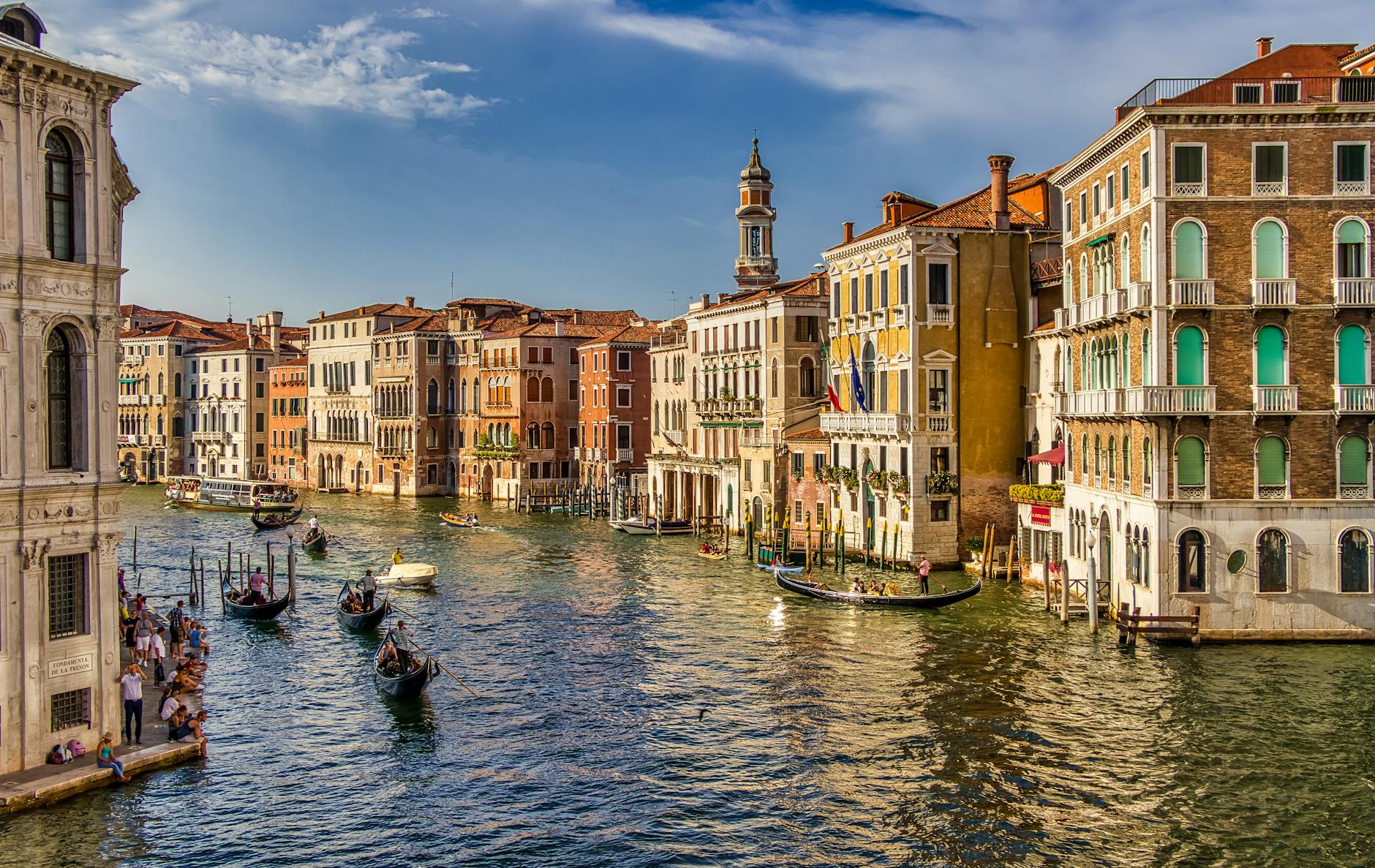
Framing is an essential technique I rely on to guide the viewer’s eye to the focal point of my photos, whether exploring antarctica travel destinations or a vibrant local market. Consider using natural frames, such as archways or trees. In Melbourne, I often use alleyways or even the intricate patterns of street art to frame my subject matter. This technique provides depth and focus, drawing the audience into the narrative you wish to convey.
Experimenting with Shadows
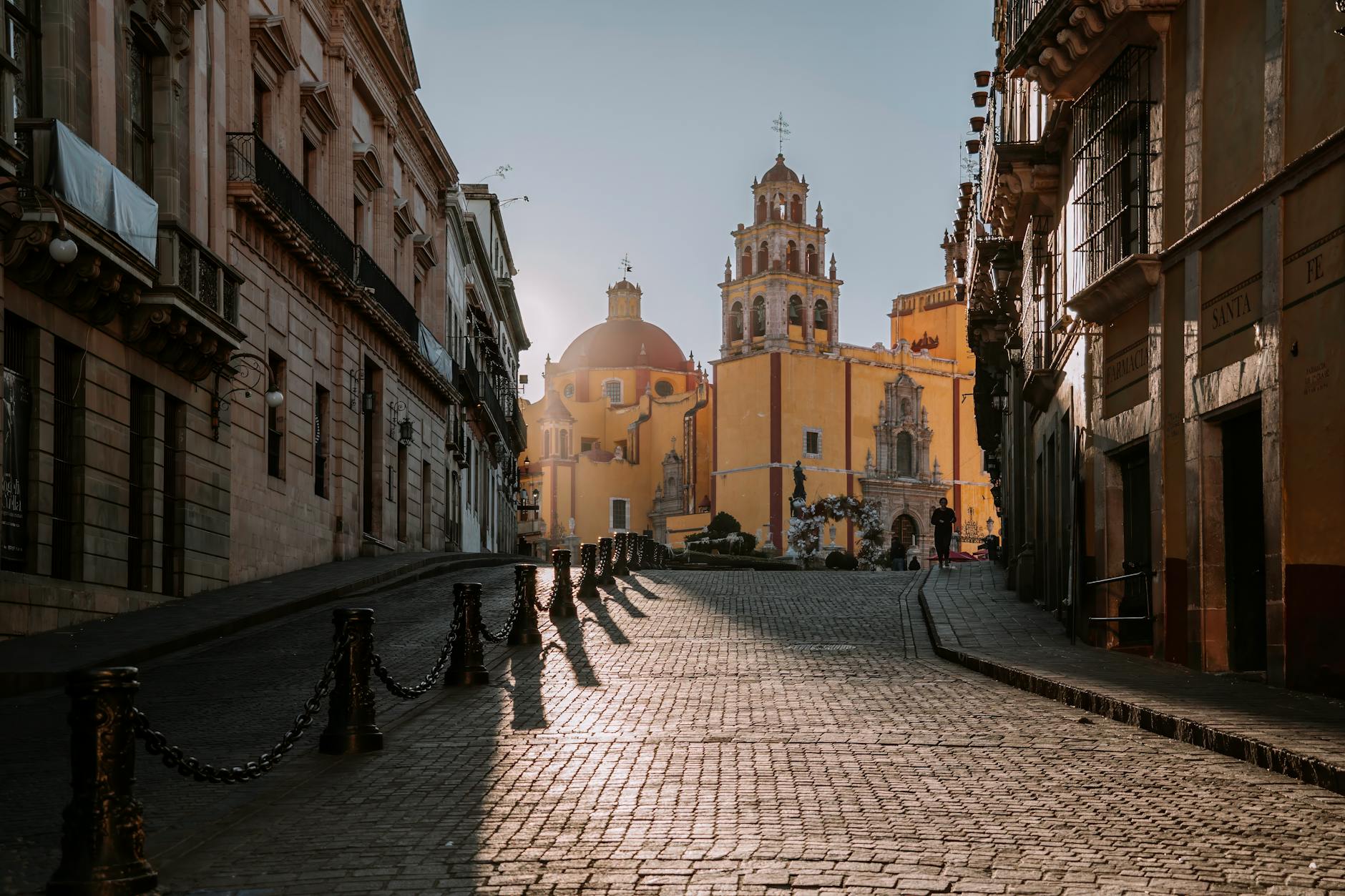
Shadows can be as powerful as the light in photography. While walking along the scenic Yarra River, I often use shadows to add texture or intrigue to the scene. By adjusting your camera angle, you can manipulate shadows to stretch across your image, adding complexity and mood. Shadows create contrast, enhancing the overall composition and depth, providing an edge to your visual storytelling. These subtle elements, when used thoughtfully, can transform your travel photography into something truly immersive.
Post-Production and Editing
Essential Editing Techniques
In the vibrant space where photography meets storytelling, mastering post-production is pivotal. As a travel photographer, after capturing the untouched beauty during south america holidays, I find that editing is where the real magic unfolds. You'll want to begin with basic adjustments like cropping, which helps refine the composition you envisioned in the field. I use light adjustments to highlight critical elements, especially when capturing the diverse colours of central america travel, where vibrant markets, lush jungles, and coastal sunsets offer a dynamic palette that benefits from subtle post-processing enhancements.
Creating a Cohesive Style
Developing a signature style in photography post-production is key to making your work recognizable. This requires consistency across your photo sets. Whether you're editing the dynamic street art from Melbourne's Hosier Lane or the elaborate architecture from your journeys, stick to a particular colour palette and contrast level. My tip is to create presets that can be easily applied, ensuring that all images, whether from a bustling market or scenic outdoor location, resonate with your unique voice.
Utilizing Editing Software
The right tools can elevate your images significantly. I swear by professional-grade editing software like Lightroom and Photoshop, which offer precise control over each aspect of the image. These platforms are invaluable for practising advanced techniques such as removing unwanted elements from the frame or fine-tuning colours. They empower you to maintain the authenticity of your cultural and adventure photographs, providing a platform to express your creative intent fully.
Common Mistakes
Overlooking Permissions
As a seasoned traveller, I've learned that respecting boundaries can be just as crucial as capturing a stunning image. Before you photograph in bustling locations like Hosier Lane or intimate gatherings at the Queen Victoria Market, take the time to secure permissions. This isn't just about avoiding trouble but about earning trust and creating a deeper connection with the culture you're immersing yourself in. Many people may not appreciate being photographed without their consent, and respecting their boundaries can lead to more authentic experiences and photographs.
Relying on Basic Angles
The world doesn't always wait for the perfect shot, which is why it's important to innovate beyond the ordinary angles. For instance, when capturing the bustling life along the Yarra River walking paths, consider experimenting from a low perspective to highlight the majesty of the river against the Melbourne skyline. Explore reflections and unique lines in architecture or add a creative twist by using unexpected objects as impromptu frames. Remember, a slight shift in your position may redefine the narrative your photography aims to communicate.
Ignoring Cultural Sensitivities
Cultural sensitivity is your invisible guide when exploring new terrains. While documenting the vibrant life of diverse communities, be it through festivals or everyday street scenes, ensure you're well-versed with local traditions and practices. Whether you're capturing the unspoken beauty of a moment at Queen Victoria Market or the vibrant history encapsulated in Indigenous heritage, your awareness and respect for cultural contexts will shine through your photographs. Knowing this, aim to depict stories that both honour and showcase the authenticity of the moment.